 ultimate-guide
Satisfaction Guarantee for Cleaning Services Explained
Table of Contents
- What a Satisfaction Guarantee for Cleaning Services Actually Means
- How Re-Clean Policies for Cleaning Services Work in Practice
- Common Exclusions and Limitations Hidden in the Fine Print
- Questions to Ask Before Hiring a House Cleaner About Their Guarantee
- How to Handle Cleaning Service Complaints Effectively
- The Hidden Cost of Guarantees (and What They Signal About a Company)
- What the Satisfaction Guarantee at Maticulous Cleaning Covers
- Conclusion
Last Updated: August 20, 2026
What a Satisfaction Guarantee for Cleaning Services Actually Means
A satisfaction guarantee for cleaning services is a written or verbal commitment from a cleaning company that promises to address any service failure at no additional cost to you. At Maticulous Cleaning, we believe this commitment is one of the most important signals a homeowner can look for before hiring any professional cleaner.
A satisfaction guarantee is not a blanket promise that you'll love every visit. It's a defined policy with specific conditions: a reporting window, a defined remedy, and a scope of what counts as a covered failure. Understanding those three elements is the difference between a guarantee that protects you and one that exists purely as marketing.

Most reputable providers offer either a free re-clean of affected areas or a full refund. Some offer a tiered approach: re-clean first, then refund if unresolved. The reporting window typically requires notification within 24 hours of the cleaning, miss that deadline and the guarantee may not apply.
Written vs. Verbal Guarantees: Why the Difference Matters Legally
Most homeowners accept a verbal reassurance during a sales call and assume they're protected. They're not, reliably.
A verbal guarantee is difficult to enforce under contract law because there's no documented agreement on terms. Under the Uniform Commercial Code and general contract principles, proving the specific terms of what was promised becomes nearly impossible without written documentation.
A written guarantee changes that dynamic. When the service agreement spells out the exact remedy, reporting window, and exclusions, you have a contractual basis to pursue resolution. Always ask for the guarantee in writing. If a company won't provide it, treat that as a signal about how seriously they take professional accountability.
How Re-Clean Policies for Cleaning Services Work in Practice
A typical re-clean policy works like this: you notify the company of a missed area or substandard work within 24 hours. The company schedules a return visit to address only those specific areas, at no charge. The re-clean is not a full second cleaning, it covers only the surfaces or tasks identified in your complaint.
This distinction matters. If you report a missed bathroom but the kitchen also has issues you didn't notice until day three, the kitchen may not be covered.
The most important step is a thorough walkthrough immediately after the cleaning team leaves. Check against the cleaning scope you agreed to at booking. Document anything that doesn't meet the standard before contacting the company.
| Guarantee Type | Remedy Offered | Reporting Window | Refund Available |
|---|---|---|---|
| Standard Re-Clean | Return visit for missed areas | Typically 24 hours | No |
| Re-Clean + Refund | Re-clean first, refund if unresolved | 24-48 hours | Yes, as fallback |
| Full Refund Only | Money back, no return visit | Varies | Yes |
| Tiered Guarantee | Re-clean, refund, or alternative service | 24 hours | Yes |
Re-Clean vs. Full Refund: Which Guarantee Is Stronger?
A full refund guarantee sounds more valuable. It often isn't.
A re-clean gives the company the chance to actually fix the problem. That's useful if the issue is correctable. A refund sends you back to square one, still with a dirty home and the hassle of finding another provider. For service failures caused by missed areas or rushed work, a re-clean resolves the problem faster.
The full refund becomes stronger when the service failure is systemic, the cleaning was broadly poor rather than a few missed spots. The strongest guarantee structures combine both: a re-clean first, followed by a refund if the re-clean doesn't meet your expectations.
Common Exclusions and Limitations Hidden in the Fine Print
Every satisfaction guarantee has exclusions. Most companies don't advertise them prominently, which is why reading the terms and conditions before you book is essential.
The most common exclusions are:
- Pre-existing conditions. Stains or damage that existed before the cleaning began are typically excluded.
- Items outside the cleaning scope. If you didn't book a deep clean and the oven wasn't included, you can't claim the guarantee for it.
- Clutter and access. Many providers exclude areas that were inaccessible due to clutter or items left on surfaces.
- Reporting window violations. Contacting the company on day three about an issue from day one falls outside the inspection period.
- Damage claims. A satisfaction guarantee is not the same as property damage liability. Broken items are handled through the company's insurance policy.
Understanding these exclusions helps you frame your complaint correctly. If your issue falls within the covered scope and you've reported it within the window, you have a clear path to resolution.
Questions to Ask Before Hiring a House Cleaner About Their Guarantee
Asking the right questions before hiring a house cleaner is the single most effective way to avoid disputes later. Vague answers at this stage are a red flag.
Ask every potential provider:
- Is your guarantee in writing? If yes, ask for a copy before you sign anything.
- What exactly does the guarantee cover? Get specific: missed areas, substandard work, specific tasks.
- What is the reporting window? Confirm the exact timeframe in writing.
- Is the remedy a re-clean, a refund, or both? Understand what happens if the re-clean doesn't resolve the issue.
- What is excluded from the guarantee? Ask directly about pre-existing conditions, clutter, and out-of-scope tasks.
- How do I report an issue? Know the channel: phone, email, text, or app.
- Are your cleaners insured and bonded? This is separate from the guarantee but equally important.
According to the Federal Trade Commission's guidance on service contracts, consumers have the right to receive clear written terms for any service agreement. If a company resists providing written documentation, that resistance signals how they handle disputes.
How to Handle Cleaning Service Complaints Effectively
The biggest mistake homeowners make is waiting too long and gathering too little evidence. Speed and documentation determine whether your complaint gets resolved or dismissed.
The moment you identify a problem, your clock starts. Most re-clean policies require notification within 24 hours. Here's the process that produces the best outcomes:
- Do a full walkthrough immediately after the team leaves.
- Document every issue with photos or video. Timestamps matter.
- Reference the original cleaning scope. Only flag items that were included.
- Contact the company through their preferred channel. Follow up in writing for a record.
- State the issue clearly and specifically. "The toilet bowl and mirror in the main bathroom were not cleaned" is better than "the bathroom wasn't cleaned properly."
- Request a specific remedy. Ask for the re-clean or refund explicitly.
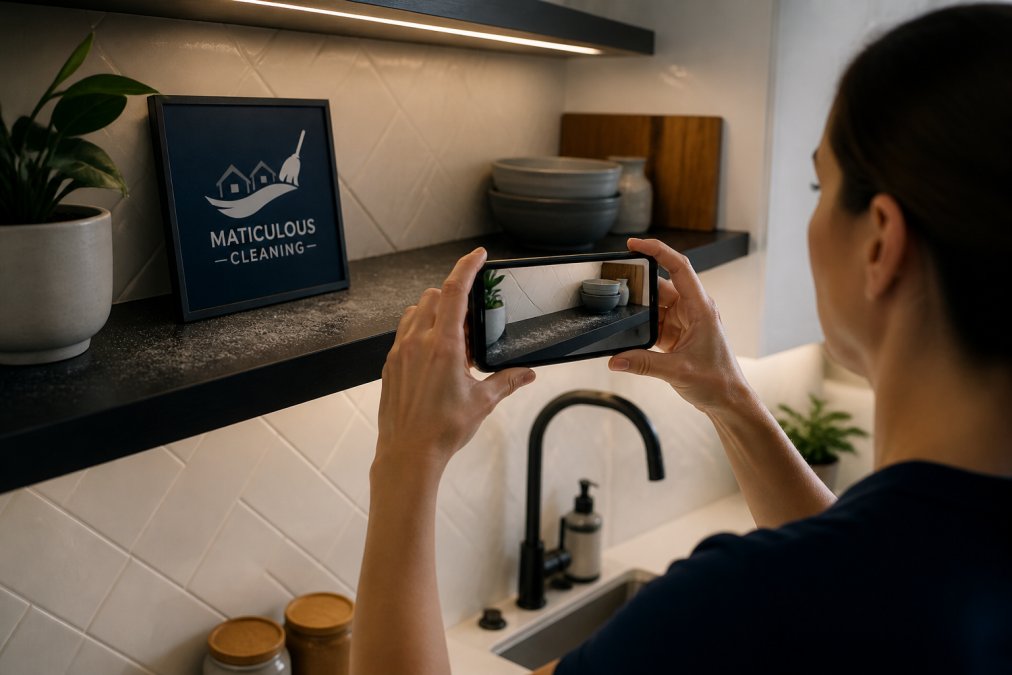
As documented in consumer protection guidance from the Consumer Financial Protection Bureau, keeping a written record of service complaints and company responses is essential if you later need to escalate a dispute.
Checklist: Documenting a Cleaning Failure Before You Call
- Note the date and time you discovered the issue
- Photograph each affected area with your phone (timestamps auto-recorded)
- Cross-reference the issue against your original cleaning scope
- Confirm the issue was not a pre-existing condition excluded from the guarantee
- Check the reporting window in your service agreement
- Write a brief description of each issue in plain language
- Identify the remedy you're requesting (re-clean, refund, or both)
- Send your complaint through the company's official channel and save confirmation
The Hidden Cost of Guarantees (and What They Signal About a Company)
Offering a strong satisfaction guarantee costs a company money. Every re-clean is an unpaid return visit. Every refund is lost revenue. A company willing to absorb that cost is betting on their own quality, they expect to get it right the first time often enough that occasional re-cleans won't undermine the business. That confidence is a meaningful trust signal.
A company with no guarantee, or one with so many exclusions that it's effectively worthless, signals something different. They're not confident enough in their cleaning standards to back their work financially.
The reporting window also reveals priorities. A 24-hour window limits company exposure. A 48-hour window is more generous to the customer but more expensive for the company. A longer inspection period signals a company absorbing more risk on your behalf.
According to research on service recovery and customer retention from the Harvard Business Review, customers who have a complaint resolved effectively are often more loyal than customers who never had a problem. A well-handled service failure builds more trust than a perfect service never tested.
What the Satisfaction Guarantee at Maticulous Cleaning Covers
Maticulous Cleaning is built around the principle that professional residential cleaning should be reliable and thorough. Our commitment to meticulous attention to detail shapes how we approach every visit.
Our satisfaction guarantee reflects that commitment. If something doesn't meet your expectations after a Maticulous Cleaning visit, we want to know about it. Our team will address the issue directly, because a clean space that meets your standard is the outcome we're accountable for.
For specific details about our guarantee terms, reporting process, and what's covered under each service type, speak with us directly before booking. We'd rather explain our commitment clearly upfront than leave you to discover the fine print after a problem arises.
Choosing a cleaning service comes down to one question: can you trust them to do the work properly and make it right if they don't? Most guarantees are written to protect the company, not the customer. Maticulous Cleaning takes a different approach, grounding our service in reliability, thorough cleaning standards, and genuine professional accountability. Get started with Maticulous Cleaning and experience what a service commitment backed by real attention to detail actually looks like. Reach out to discuss your home's needs and our guarantee terms before your first visit.
Frequently Asked Questions
What does a 100% satisfaction guarantee actually cover in home cleaning?
A 100% satisfaction guarantee for cleaning services typically means the company will return to re-clean any areas you flagged as substandard at no extra charge. Some providers extend this to a full refund if the re-clean still does not meet your expectations. Coverage varies by company, so read the terms and conditions carefully. Most guarantees exclude damage caused by pre-existing conditions, items moved without permission, or areas outside the agreed cleaning scope.
Is a satisfaction guarantee standard in the residential cleaning industry?
Satisfaction guarantees are common among established residential cleaning companies, but the terms differ significantly. Many providers offer a re-clean policy with a 24-hour reporting window. Fewer offer full refunds as a first remedy. A written guarantee in your service agreement is the most enforceable form. If a provider only offers a verbal commitment, ask for it in writing before the first clean, since verbal guarantees are harder to act on if a dispute arises.
What is the typical process for requesting a re-clean under a guarantee?
Most re-clean policies require you to report the issue within 24 hours of the service, often by phone, text, or email. Document the specific areas that did not meet cleaning standards with photos before touching them. The company then schedules a return visit to address those areas at no cost. Keep a record of your communication in case the issue remains unresolved and you need to escalate to a refund request or a formal dispute.
How do professional cleaning companies handle complaints or missed spots?
Reputable cleaning companies treat complaints as a service recovery opportunity. The standard process is: acknowledge the complaint promptly, schedule a re-clean of the affected areas, and follow up to confirm you are satisfied. Companies with strong quality assurance programs use a house cleaning checklist to reduce missed spots in the first place. If a re-clean does not resolve the issue, the next step is typically a partial or full refund, depending on the contractual obligations in your service agreement.
This article was written using GrandRanker