 how-to
How to Prepare Home for Professional Cleaners: 2026 Guide
Table of Contents
- Why Proper Preparation Matters for Your Cleaning Visit
- What to Declutter Before Cleaners Arrive: Surfaces and Floors
- Room-by-Room Preparation Checklist
- How Long Does a Professional House Cleaning Take?
- House Cleaning Etiquette: Pets, Security, and Supplies
- Communication and Access: Keys, Notes, and Schedules
- Post-Cleaning Inspection: What to Check Before They Leave
- Conclusion: Setting Up for a Spotless Home
- Frequently Asked Questions
Last Updated: September 6, 2026
Why Proper Preparation Matters for Your Cleaning Visit
Preparing your home for professional cleaners is the single biggest factor in how thorough and efficient your visit will be. When you clear the clutter, the team can spend their time actually cleaning surfaces rather than moving your items around. Preparation is about maximizing the value of the time you are paying for.
A home that is ready for service allows a cleaning team to focus on meticulous attention to detail, hitting those corners and baseboards that make a space feel truly pristine. This guide walks you through exactly how to prepare home for professional cleaners so you get the best possible result from every visit.
The goal is simple: you handle the tidying, and the professionals handle the sanitization and deep cleaning. Before the team arrives, focus on clearing horizontal surfaces, securing valuables, and managing pets.
What to Declutter Before Cleaners Arrive: Surfaces and Floors
The most important rule is to clear the floor and countertop debris so cleaners can access every surface area. A professional cleaning service excels at scrubbing, vacuuming, and dusting, but they are not typically responsible for organizing your personal belongings. If a counter is covered in mail and cosmetics, the cleaner can only dust around those items, leaving gaps in the cleaning.
Start by walking through each room and removing items that do not belong on the floor or primary surfaces. This includes shoes, toys, cords, and small decor pieces. By decluttering, you give the team a clear path to vacuum thoroughly and wipe down every inch of your kitchen countertops and bathroom fixtures.
Room-by-Room Preparation Checklist
A systematic approach prevents you from feeling overwhelmed. Tackle it one space at a time, ensuring nothing is missed.

Kitchen and Bathroom Prep
In the kitchen, wash and put away any dishes so the sink is accessible. Clear the counters of small appliances you rarely use, and make sure trash is emptied. For the bathroom, remove personal items like toothbrushes, cosmetics, and toiletries from the counters so they can be wiped down and sanitized properly.
Bedrooms and Living Areas
In bedrooms, make the bed or strip it if you have requested a linen change. Pick up clothing from the floor and place it in hampers. For living areas, fluff and arrange cushions, and gather any stray cups or dishes to return to the kitchen. This tidying up ensures the cleaning team can focus on dusting and vacuuming rather than sorting your items.
How Long Does a Professional House Cleaning Take?
The duration of a professional cleaning visit depends heavily on the type of service you book and the state of your home. Understanding the difference between a 'deep clean' and a 'maintenance clean' is the single most important factor in setting your expectations and preparing correctly.
Maintenance Clean vs. Deep Clean: A Preparation Guide
A maintenance clean is your recurring service (weekly, bi-weekly, or monthly) designed to keep a home that is already tidy looking its best. The focus is on routine tasks: vacuuming, mopping, dusting, and sanitizing bathrooms and kitchens. Your preparation is straightforward: clear the clutter from floors and counters, ensure dishes are done, and secure pets.
A deep clean is a more intensive, often one-time service aimed at addressing accumulated grime and neglect. It targets areas that are not part of a regular maintenance routine: scrubbing inside ovens, degreasing range hoods, cleaning inside refrigerators, washing baseboards and window tracks, and tackling soap scum on shower doors. This is a fundamentally different service with different preparation requirements.
| Service Type | Typical Duration (3BR/2BA) | What's Included | Your Prep Focus |
|---|---|---|---|
| Maintenance Clean | 2-3 hours | Surface dusting, vacuuming, mopping, bathroom & kitchen wipe-downs, trash removal. | Declutter surfaces and floors. Ensure sink is empty. |
| Deep Clean | 4-6 hours | Everything in maintenance, PLUS: oven interior, refrigerator interior, inside cabinets, baseboards, window sills, blinds, detailed grout scrubbing. | Empty the oven racks and trays. Remove items from inside cabinets and the refrigerator. Clear window sills and shelves. |
| Move-In/Move-Out | 5-8 hours | A comprehensive deep clean of an entire empty property, including inside cabinets, drawers, and appliances. | Empty the entire property. Remove all personal belongings, furniture, and debris. The team needs unimpeded access to every nook and cranny. |
Why Preparation Differs for a Deep Clean
The biggest mistake homeowners make is treating a deep clean preparation like a maintenance clean. For a deep clean, your job is not just to declutter; it is to provide access. If the team has to empty your entire pantry to wipe down shelves, that is time they are not spending scrubbing the oven.
- Kitchen Deep Clean Prep: Remove everything from your oven, including racks and trays. If you have a self-cleaning oven, do not run the cycle right before they arrive; the residual ash and fumes are a hazard. Empty the top shelf of your refrigerator and remove any loose items from cabinets you want cleaned inside. Clear the area under the sink so they can access the cabinet interior.
- Bathroom Deep Clean Prep: Remove everything from under the sink and from inside the medicine cabinet. Take down shower caddies, loofahs, and empty shampoo bottles. If you have a glass shower door with heavy soap scum, it's helpful to let the cleaning service know in advance so they can bring the appropriate specialized cleaner.
- The 'First Visit' Factor: A first-time deep clean will always take longer than a subsequent one. The team is not just cleaning; they are assessing your home's specific materials (e.g., granite vs. laminate, hardwood vs. carpet) and adjusting their methods. Expect the first visit to be on the higher end of the duration range.
By understanding the distinct preparation needs for each service type, you ensure the team can focus their time on the tasks you are paying for, making the visit more efficient and the results more spectacular.
House Cleaning Etiquette: Pets, Security, and Supplies
Proper etiquette ensures a safe, efficient, and stress-free experience for everyone involved, especially your pets and the cleaning professionals.
Managing Pets: Beyond Just Caging Them
While the standard advice is to 'secure your pets,' a truly prepared homeowner thinks about the animal's well-being and the cleaner's safety.
- For Dogs: Crate training is the gold standard. If your dog is crate-trained, place them in their crate in a quiet room with a favorite toy and a safe chew. If they are not crate-trained, consider booking the cleaning for a time when you can take them for a long walk or to a doggy daycare. Leaving a dog loose to 'supervise' is a liability for both you and the cleaner, as even friendly dogs can react unpredictably to a stranger with a vacuum.
- For Cats: Cats are often more stressed by strangers in their territory. Designate a 'safe room', like a spare bedroom or a bathroom, with their litter box, food, water, and a cozy hiding spot. Place a 'Do Not Enter' sign on the door to ensure the cleaning team gives them space. This prevents them from darting out an open door and reduces their anxiety.
- For Other Pets: Birds, reptiles, and small mammals should be moved to a quiet room away from the main cleaning activity. The noise of a vacuum or the fumes from cleaning products can be harmful to them. Ensure their enclosures are secure and clearly communicate their location to the cleaning team.
Securing Your Space and Valuables
Professional cleaning companies conduct background checks, but the onus is on you to protect your most sensitive items. This is about eliminating any possibility of a misunderstanding.
- The 'Lockbox' Method: Instead of just moving jewelry to a drawer, place it in a locked safe or a lockbox. The same goes for important documents, passports, and large sums of cash. If a cleaner doesn't see it, they can't be tempted, and you have zero anxiety about it.
- Secure Hazardous Materials: This is a critical safety protocol often missed. Ensure that any hazardous cleaning chemicals you have under your sink (e.g., bleach, ammonia, drain cleaners) are clearly labeled and not mixed. If you have a home safe with a combination, do not leave the combination written on a sticky note near the keypad. Provide access codes only if absolutely necessary and change them after the visit if you are concerned.
- Camera and Alarm Etiquette: If you have security cameras, it is courteous to inform the cleaning company beforehand. This is not just about privacy; it's about transparency. If a cleaner sees a camera they weren't told about, it can feel like a lack of trust. Similarly, if you have a home alarm, provide the code and walk the team through the arming/disarming process before you leave.
Supplies: Who Brings What?
Some services are 'bring-your-own' (BYO), where you provide all products and tools. Others are 'full-service,' bringing their own professional-grade equipment and eco-friendly supplies.
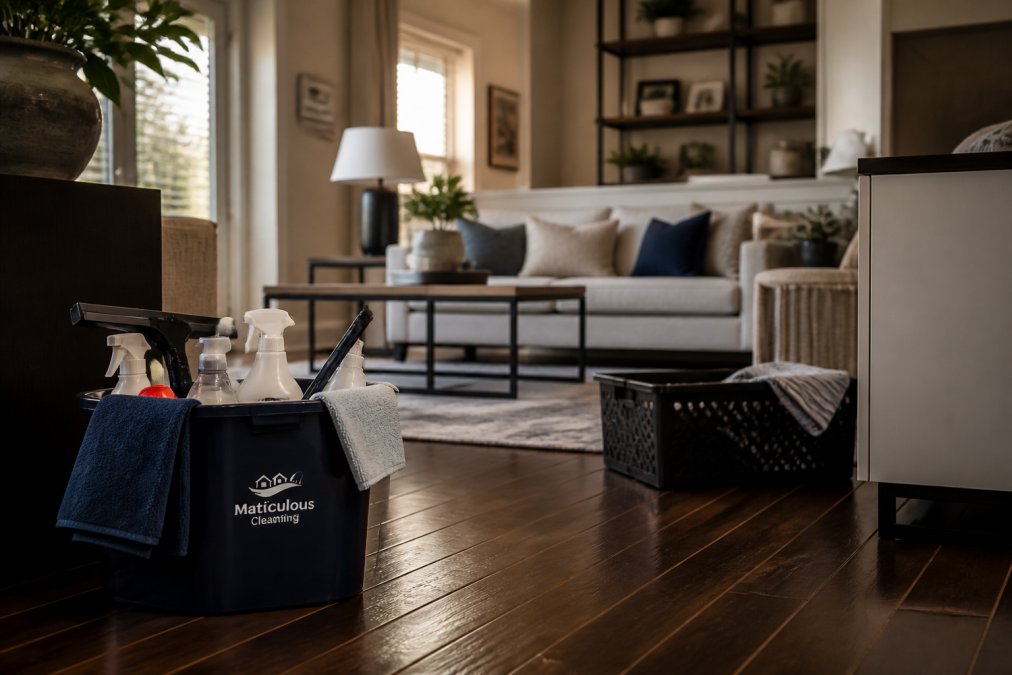
- If You Provide Supplies: Do not just leave a bucket of random bottles. Create a dedicated caddy with the specific products you want used on specific surfaces (e.g., a separate glass cleaner, a wood polish, a granite-safe cleaner). Leave a microfiber cloth or sponge for general use. Clearly label any product that is for a specific purpose to prevent accidental misuse.
- If the Service Provides Supplies: Ask for a list of the products they use. If you have allergies or sensitivities to fragrances, request fragrance-free or hypoallergenic options in advance. This is a common request and a professional service will accommodate it. This proactive communication prevents a situation where a cleaner uses a product that triggers your allergies, ruining the fresh feeling of a clean home.
Communication and Access: Keys, Notes, and Schedules
Effective communication with your cleaning service begins before the team arrives. If you will not be home, arrange a key exchange or provide a secure lockbox code in advance. Leave a note with any specific priorities.
Setting clear service expectations is a two-way street. Tell your provider if you have a preferred schedule or if certain areas need extra attention. Many professional services offer recurring maid services and flexible scheduling. A quick walkthrough with the team leader upon arrival ensures everyone is aligned on the cleaning checklist for the day.
Post-Cleaning Inspection: What to Check Before They Leave
Once the cleaning is complete, do a quick walkthrough before the team departs. Check the areas that matter most to you, such as bathroom fixtures for water spots and the kitchen sink for sanitation.
If you notice a missed spot, mention it immediately. A reputable service wants the chance to correct any issues on the spot. This inspection protects you from needing a follow-up visit later.
Conclusion: Setting Up for a Spotless Home
Preparing your home for professional cleaners is a straightforward process that pays off in the quality of the final result. By focusing on decluttering surfaces, securing pets and valuables, and communicating clearly, you allow the cleaning team to work at their highest efficiency.
When you are ready for a team that values meticulous attention to detail, Maticulous Cleaning offers professional residential cleaning services built on reliability. Our goal is to give you clean spaces and better places to live, handling the hard work so you can enjoy your home. Get started with Maticulous Cleaning and experience the peace of mind that comes with a consistently pristine environment.
Frequently Asked Questions
Is it rude to clean before the house cleaners arrive?
No, it is not rude, but it is also not required. Professional cleaners expect some daily living mess. The goal is to declutter, not to deep clean. Focus on picking up personal items, dirty clothes, and toys from the floor so the team can access surfaces and vacuum effectively. A quick 15-minute tidy-up is appreciated, but do not spend hours scrubbing. Your time is better spent securing valuables and providing clear access instructions.
What is the average cost to clean a 2000 sq ft house?
Pricing for a 2000 sq ft home varies significantly based on your location, the level of service (deep clean vs. maintenance cleaning), and the condition of the home. For an accurate estimate, request a quote from your local cleaning service. Many companies offer consultations to assess the property and provide a precise price based on your specific needs and the time required.
How do I prepare my pets for a professional cleaning visit?
Secure pets in a safe, quiet room with water and a toy, or consider having them stay with a neighbor during the visit. This reduces stress for the animal and prevents them from interfering with the cleaning process. Inform the cleaning company about your pets in advance so they can plan accordingly. This is a key part of house cleaning etiquette that ensures the safety of both your pets and the professional cleaners.
Should I put away my personal items before a cleaning service?
Yes, you should put away personal items like jewelry, financial documents, and sentimental keepsakes. While professional cleaning services vet their staff, minimizing distractions and protecting your valuables is standard practice. Place these items in a drawer, closet, or secure box. This also helps the cleaner focus on dusting and sanitizing surfaces without worrying about moving fragile or sensitive objects.
Frequently Asked Questions
Is it rude to clean before the house cleaners arrive?
No, it is not rude, but it is also not required. Professional cleaners expect some daily living mess. The goal is to declutter, not to deep clean. Focus on picking up personal items, dirty clothes, and toys from the floor so the team can access surfaces and vacuum effectively. A quick 15-minute tidy-up is appreciated, but do not spend hours scrubbing. Your time is better spent securing valuables and providing clear access instructions.
What is the average cost to clean a 2000 sq ft house?
Pricing for a 2000 sq ft home varies significantly based on your location, the level of service (deep clean vs. maintenance cleaning), and the condition of the home. For an accurate estimate, request a quote from your local cleaning service. Many companies offer consultations to assess the property and provide a precise price based on your specific needs and the time required.
How do I prepare my pets for a professional cleaning visit?
Secure pets in a safe, quiet room with water and a toy, or consider having them stay with a neighbor during the visit. This reduces stress for the animal and prevents them from interfering with the cleaning process. Inform the cleaning company about your pets in advance so they can plan accordingly. This is a key part of house cleaning etiquette that ensures the safety of both your pets and the professional cleaners.
Should I put away my personal items before a cleaning service?
Yes, you should put away personal items like jewelry, financial documents, and sentimental keepsakes. While professional cleaning services vet their staff, minimizing distractions and protecting your valuables is standard practice. Place these items in a drawer, closet, or secure box. This also helps the cleaner focus on dusting and sanitizing surfaces without worrying about moving fragile or sensitive objects.