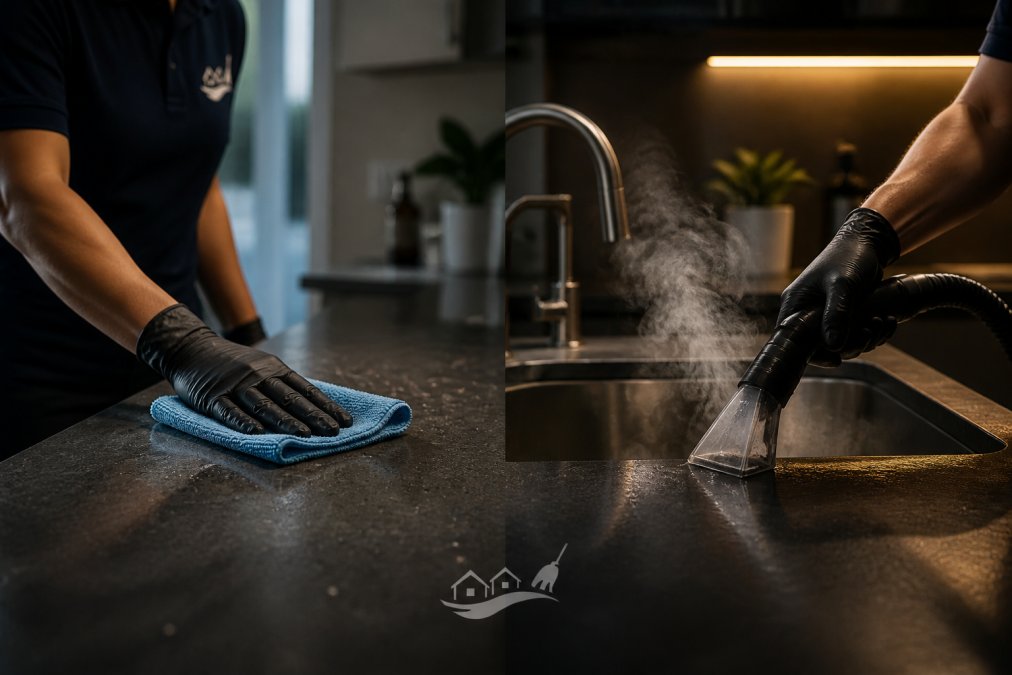
 comparison
Deep Cleaning vs Standard Cleaning: Key Differences
Table of Contents
- Deep Cleaning vs Standard Cleaning: Understanding the Core Difference
- What Is Included in a Standard Cleaning Service
- Deep Cleaning Checklist for Homeowners: What Gets Done
- How Long Does a Deep Clean Take vs Standard Cleaning
- Frequency: When to Schedule Each Service Type
- Cost and Value: Is Deep Cleaning Worth It?
- When to Choose Deep Cleaning vs Standard Cleaning
- Conclusion
Last Updated: August 28, 2026
Deep Cleaning vs Standard Cleaning: Understanding the Core Difference
The difference between deep cleaning and standard cleaning comes down to scope and intensity. Standard cleaning handles the visible, everyday surfaces your home needs to stay presentable. Deep cleaning reaches what standard cleaning misses, the buildup, grime, and neglected areas that accumulate over months or years.
At Maticulous Cleaning, we understand that homeowners often wonder which service they actually need. The answer depends on your living space's current condition, how frequently you want professional help, and what you're trying to accomplish. Some homes need both services on different schedules. Others benefit from deep cleaning once or twice yearly, with standard cleaning handling the routine maintenance in between.
Here's what matters most: standard cleaning keeps your home functional and hygienic. Deep cleaning restores it. If your baseboards haven't been touched in six months, your grout hasn't been scrubbed in a year, or you're preparing for a move, deep cleaning is the service that transforms your space. Understanding these differences helps you make a decision that actually fits your home's needs rather than guessing or overpaying for services you don't require.
What Is Included in a Standard Cleaning Service
Standard cleaning is the routine maintenance that keeps your home looking and feeling clean on a daily or weekly basis. It focuses on surface-level tidiness and hygiene for your living spaces.
A typical standard cleaning includes dusting surfaces like shelves, tables, and furniture. Vacuuming carpets and sweeping hard floors removes loose debris and dust. Mopping hard floor surfaces with appropriate cleaners handles daily wear. Bathrooms get wiped down, sinks, toilets, mirrors, and shower surrounds receive attention. Kitchen surfaces, countertops, and appliance fronts are cleaned. Trash is emptied, and clutter is tidied.
What standard cleaning does NOT typically include matters just as much. It doesn't address buildup inside appliances like the oven interior or refrigerator coils. Baseboards don't get deep scrubbing. Window sills, ceiling fans, or light fixtures stay as they are. Grout between tiles doesn't receive specialized treatment. Upholstered furniture isn't deep cleaned. Behind or under large furniture stays untouched.
Standard cleaning takes roughly two to three hours for an average three-bedroom home, depending on the current condition and layout (the CDC). Many homeowners schedule this weekly or bi-weekly to maintain their living space at a comfortable baseline. The frequency keeps dirt and dust from accumulating significantly, which means each cleaning session stays relatively quick and predictable.
The value of standard cleaning lies in preventative maintenance. Regular upkeep prevents small messes from becoming overwhelming problems. Your home stays guest-ready. Daily living feels less chaotic when surfaces are clear and floors are clean. For busy families or professionals who work full-time, standard cleaning removes a significant time burden from their week.
Deep Cleaning Checklist for Homeowners: What Gets Done
Deep cleaning targets everything standard cleaning leaves behind. It's a comprehensive approach to surface restoration and buildup removal that transforms how a home actually feels.
A proper deep cleaning checklist includes these elements:
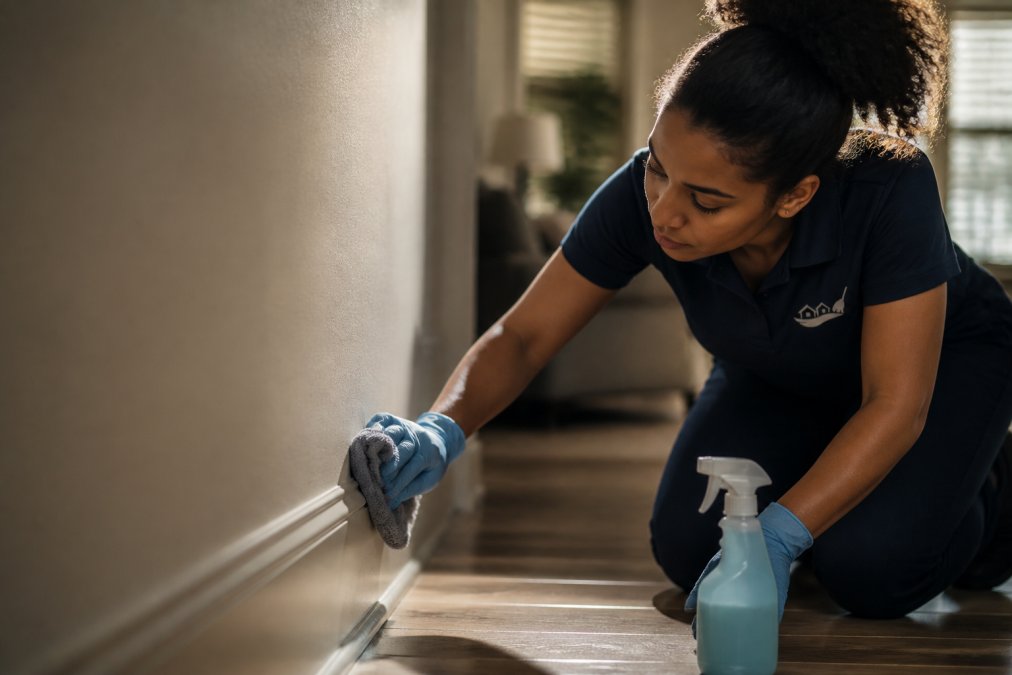
- Baseboards and trim: Wiped down, dusted, and cleaned of accumulated grime and scuffs
- Inside appliances: Oven interior, microwave interior, refrigerator coils, and dishwasher components receive detailed attention
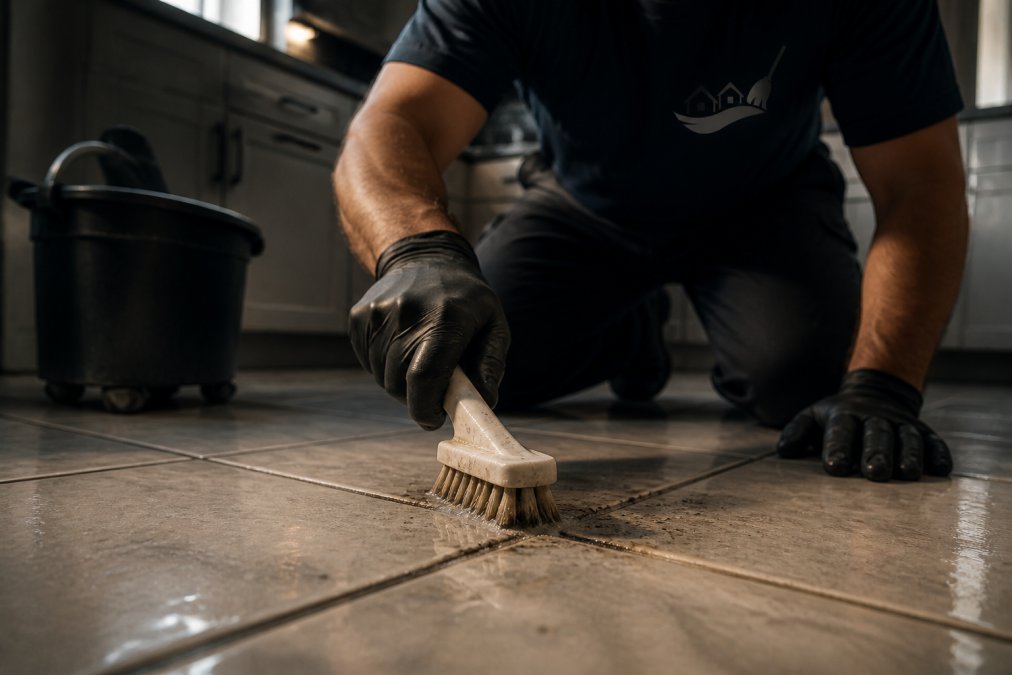
- Grout and tile: Grout lines get scrubbed to remove discoloration and buildup; tile surfaces are restored to original appearance
- Window sills and frames: Dust and debris removed from tracks, sills, and frames
- Light fixtures and ceiling fans: Dust accumulation cleared; fixtures cleaned thoroughly
- Behind and under furniture: Floors and surfaces hidden from daily view are addressed
- Upholstered surfaces: Furniture is deep cleaned to remove embedded dust and allergens
- High-touch surfaces: Door handles, light switches, remote controls, and similar items receive sanitization
- Cobweb removal: Corners, ceiling edges, and overlooked areas cleared
- Appliance detailing: Exterior and interior surfaces of kitchen appliances polished and restored
Deep cleaning also addresses scale removal from bathroom fixtures, descaling of showerheads, and thorough sanitization of high-touch surfaces throughout the home. Kitchen degreasing handles buildup on range hoods and stovetops that standard cleaning doesn't target.
The deep cleaning checklist for homeowners represents a comprehensive approach to hygiene and surface restoration. This service level is essential when you're preparing for a move, after a renovation, or when you simply want your home restored to a pristine condition. Many homeowners find that a single deep clean followed by regular standard cleaning creates the ideal maintenance rhythm for their living space.
How Long Does a Deep Clean Take vs Standard Cleaning
Time requirements differ significantly between these two service types, and understanding the difference helps you plan your schedule and set realistic expectations.
Standard cleaning typically takes two to three hours for an average three-bedroom, two-bathroom home. A smaller apartment might take ninety minutes to two hours. A larger four-bedroom home might stretch toward three to four hours. The timeline depends on current condition, a cluttered home takes longer than one that's already relatively organized. The number of occupants and pets also affects duration.
Deep cleaning is substantially more time-intensive. A thorough deep clean of an average three-bedroom home usually requires six to eight hours (the CDC). Some homes, particularly those that haven't received deep cleaning in years or have significant buildup, may need eight to ten hours or even require multiple visits to address all areas comprehensively. Larger homes naturally take longer. A four-bedroom home with multiple bathrooms might need ten to twelve hours of deep cleaning work.
The difference in time reflects the actual work involved. Standard cleaning moves relatively quickly through visible surfaces. Deep cleaning stops at each area to address buildup, scrub grout, clean inside appliances, and restore surfaces to their original condition. This isn't rushed work, it's thorough, meticulous restoration.
For homeowners planning a deep clean, understanding this time investment helps set expectations. Many professional cleaning services, including Maticulous Cleaning, can complete a deep clean in a single visit for most residential spaces, though some homes benefit from scheduling multiple visits to ensure every area receives proper attention. Knowing the realistic timeframe prevents frustration and helps you plan your day accordingly.
Frequency: When to Schedule Each Service Type
Scheduling strategy depends on your home's condition, your lifestyle, and your priorities for maintaining your living space.
Standard cleaning frequency works best on a weekly or bi-weekly schedule for most households. Weekly cleaning keeps surfaces consistently manageable and prevents significant dust and dirt accumulation. Bi-weekly cleaning works for smaller homes, single occupants, or homes with minimal foot traffic. Some homeowners prefer weekly service during busy seasons and scale back to bi-weekly during quieter periods. The maintenance cleaning approach prevents the buildup that makes homes feel neglected.
Deep cleaning frequency typically ranges from one to four times yearly. Many homeowners schedule deep cleaning quarterly, four times per year, to address seasonal buildup and maintain a high standard of hygiene and cleanliness (the CDC). Others prefer deep cleaning twice yearly, perhaps in spring and fall, as part of their seasonal maintenance. Some schedule it annually after major life events like holidays or renovations. The right frequency depends on your home's condition, household size, and whether you have pets or allergies that benefit from more frequent deep sanitization.
A practical approach combines both services: standard cleaning on a regular schedule (weekly or bi-weekly) handles routine maintenance, while deep cleaning on a quarterly or seasonal schedule addresses the buildup that accumulates over time. This combination prevents your home from ever reaching a state of significant disrepair while maintaining professional-level cleanliness.
After a move, renovation, or extended period without professional cleaning, most homes benefit from an initial deep clean followed by a regular maintenance schedule. This reset establishes a clean baseline, making subsequent standard cleaning sessions more effective and keeping your home at a higher standard of cleanliness long-term.
Cost and Value: Is Deep Cleaning Worth It?
Determining whether deep cleaning is worth the investment requires understanding what you're actually paying for and what you gain in return.
Deep cleaning costs more than standard cleaning because it requires significantly more labor, specialized techniques, and attention to detail. The extended time commitment, often six to eight hours versus two to three hours for standard cleaning, directly reflects in pricing. However, the value proposition differs depending on your situation.
Deep cleaning delivers clear value in specific circumstances. If you're preparing a home for sale, deep cleaning can make the difference between a buyer seeing potential and walking away. Post-renovation cleanup is nearly impossible without professional deep cleaning, dust and debris from construction penetrate everywhere. Moving into a new home often requires deep cleaning to establish a hygienic baseline before you settle in. For homeowners with allergies or respiratory concerns, deep cleaning removes embedded dust and allergens that standard cleaning can't reach, potentially improving indoor air quality and health.
The maintenance value of deep cleaning also matters. A home that receives regular deep cleaning on a quarterly or seasonal basis stays in better condition overall. Grout doesn't become permanently stained. Appliances function better when coils and vents are clean. Surfaces maintain their appearance longer. Over time, this preventative approach can actually reduce overall cleaning costs by preventing the need for more intensive restoration work.
For homeowners with busy schedules, aging parents who need assistance maintaining their homes, or families managing multiple responsibilities, professional deep cleaning provides peace of mind that their living space receives thorough, professional-level care. This benefit has real value beyond just the physical cleanliness.
The cost-benefit calculation shifts based on your circumstances. A single deep clean before a move or after renovation is a clear investment in a specific outcome. Regular deep cleaning as part of an ongoing maintenance plan represents an investment in your home's condition and your quality of life within it.
When to Choose Deep Cleaning vs Standard Cleaning
Your decision between these services depends on what your home actually needs right now and what you're trying to accomplish.
Choose standard cleaning when: You're maintaining a relatively clean home on an ongoing basis. Your focus is keeping daily surfaces tidy, preventing clutter from accumulating, and managing routine dust and dirt. You have a regular schedule and want consistent, predictable service. You're managing a busy household and need help with routine maintenance rather than restoration. Standard cleaning is the right choice for most homeowners who want professional help keeping their home presentable between deep cleans.
Choose deep cleaning when: Your home hasn't received professional deep cleaning in over six months. You're preparing for a move or have just moved into a new home. You've completed a renovation or significant construction project. Your home has visible buildup on baseboards, grout, or appliances. You're dealing with significant dust accumulation or have allergies that require more thorough cleaning. You want to reset your home to a pristine condition before establishing a regular maintenance schedule. You're helping an aging parent maintain their home and want to ensure thorough cleanliness and hygiene.
Many homeowners find that combining both services works best. An initial deep clean establishes a clean baseline, followed by regular standard cleaning to maintain that condition. This approach prevents your home from ever reaching a state where extensive restoration is needed while keeping your living space at a consistently high standard.
At Maticulous Cleaning, we help homeowners determine which service level fits their specific situation. Some clients need weekly standard cleaning with quarterly deep cleaning. Others schedule deep cleaning once or twice yearly with regular maintenance in between. The right plan depends on your home's condition, your lifestyle, and your priorities for your living space.
The key distinction is this: standard cleaning maintains what you have. Deep cleaning restores what's been neglected. Understanding which your home needs right now guides you toward the service that delivers actual value rather than unnecessary expense.
Conclusion
Deep cleaning and standard cleaning serve different purposes in maintaining your home. Standard cleaning handles routine maintenance and keeps your living space presentable on a daily basis. Deep cleaning restores your home by addressing buildup, grime, and neglected areas that accumulate over time.
The right choice depends on your specific situation. If you're maintaining a relatively clean home, standard cleaning on a regular schedule works well. If your home needs restoration, preparation for a move, or post-renovation cleanup, deep cleaning delivers the transformation you need.
At Maticulous Cleaning, we provide both services with meticulous attention to detail and reliable, professional execution. Our team understands that every home has different needs, and we work with you to create a cleaning plan that keeps your living space in the condition you want. Get started with Maticulous Cleaning and experience the difference that professional, reliable cleaning service brings to your home.
Frequently Asked Questions
Q: What is the main difference between a deep clean and a standard clean?
A: Standard cleaning focuses on surface-level maintenance: dusting, vacuuming, mopping, and tidying high-traffic areas. Deep cleaning targets accumulated grime, buildup, and areas rarely addressed during routine upkeep. It includes sanitization of high-touch surfaces, grout scrubbing, appliance detailing, baseboards, and removal of deep-seated dirt from corners and crevices. Deep cleaning restores surfaces to a higher standard of hygiene and surface restoration.
Q: How often should you schedule a deep cleaning service?
A: Most homeowners benefit from deep cleaning 2-4 times annually, depending on household size and traffic. High-traffic homes or those with pets may warrant quarterly deep cleans. Standard maintenance cleaning typically occurs weekly or bi-weekly to prevent buildup between deep cleans. A preventative maintenance schedule combining regular upkeep with seasonal deep cleaning maintains indoor air quality and extends the life of surfaces.
Q: Is it worth paying extra for a deep clean before moving into a new home?
A: Yes, especially for move-in situations. A professional deep clean ensures the home meets your hygiene standards before you unpack and settle in. This addresses previous occupants' grime, dust accumulation, and sanitization of high-touch surfaces. Post-renovation or move-in deep cleaning provides peace of mind and eliminates the time-intensive labor of doing it yourself after an already demanding relocation.
Q: Can I do a deep clean myself, or is professional service worth the cost?
A: DIY deep cleaning is possible but time-intensive and physically demanding. Professional services offer efficiency, access to commercial-grade equipment and products, and expertise in tackling stubborn buildup and hard-to-reach areas like behind appliances and inside vents. For most homeowners, professional deep cleaning saves significant labor hours and delivers superior results compared to DIY efforts.
This article was written using GrandRanker
Frequently Asked Questions
Q: What is the main difference between a deep clean and a standard clean?
A: Standard cleaning focuses on surface-level maintenance: dusting, vacuuming, mopping, and tidying high-traffic areas. Deep cleaning targets accumulated grime, buildup, and areas rarely addressed during routine upkeep. It includes sanitization of high-touch surfaces, grout scrubbing, appliance detailing, baseboards, and removal of deep-seated dirt from corners and crevices. Deep cleaning restores surfaces to a higher standard of hygiene and surface restoration.
Q: How often should you schedule a deep cleaning service?
A: Most homeowners benefit from deep cleaning 2-4 times annually, depending on household size and traffic. High-traffic homes or those with pets may warrant quarterly deep cleans. Standard maintenance cleaning typically occurs weekly or bi-weekly to prevent buildup between deep cleans. A preventative maintenance schedule combining regular upkeep with seasonal deep cleaning maintains indoor air quality and extends the life of surfaces.
Q: Is it worth paying extra for a deep clean before moving into a new home?
A: Yes, especially for move-in situations. A professional deep clean ensures the home meets your hygiene standards before you unpack and settle in. This addresses previous occupants' grime, dust accumulation, and sanitization of high-touch surfaces. Post-renovation or move-in deep cleaning provides peace of mind and eliminates the time-intensive labor of doing it yourself after an already demanding relocation.
Q: Can I do a deep clean myself, or is professional service worth the cost?
A: DIY deep cleaning is possible but time-intensive and physically demanding. Professional services offer efficiency, access to commercial-grade equipment and products, and expertise in tackling stubborn buildup and hard-to-reach areas like behind appliances and inside vents. For most homeowners, professional deep cleaning saves significant labor hours and delivers superior results compared to DIY efforts.