 ultimate-guide
Best Cleaning Tips for Homeowners: 2026 Guide
Table of Contents
- Top-Down Cleaning Methodology for Best Results
- Best House Cleaning Schedule for Busy Families
- Essential Cleaning Tools and Supplies That Work
- Deep Cleaning Checklist for Homeowners
- How to Get Your Full Security Deposit Back
- Time-Saving Cleaning Hacks and Efficiency Strategies
- Deep Clean vs. Routine Maintenance: What You Need to Know
- Conclusion
Last Updated: August 22, 2026
Top-Down Cleaning Methodology for Best Results
The most effective cleaning approach is simple: work from top to bottom, room by room. Dust falls down. Liquids drip down. Fighting gravity wastes hours of effort. Start with ceiling fans and high shelves, move to countertops and furniture, and finish with floors. By the time you reach the floor, you're doing one final pass rather than multiple passes.
Why Order Matters
The sequence of your cleaning tasks determines efficiency. Professional cleaners follow this methodology because it's proven to deliver better results in less time. Starting at the top of your home and working downward means you're cleaning each area only once. If you clean floors first and then dust ceiling fans, you're re-soiling the floors you just finished.
Beyond vertical progression, work from the back of each room toward the exit. In a bedroom, start at the far corner and work toward the door. This prevents tracking dirt across freshly cleaned surfaces.
Room-by-Room Execution
Tackle one room completely before moving to the next. This keeps your supplies in one location and maintains focus. A practical sequence for most homes is: bedrooms first, then bathrooms, then living areas, and finally the kitchen. Within each room, apply the top-to-bottom rule consistently. In a bedroom, dust ceiling fixtures first, then surfaces, then make the bed, and finally vacuum.
Best House Cleaning Schedule for Busy Families
Creating a cleaning schedule that fits your life requires honest assessment of what you can realistically maintain. The goal isn't perfection, it's sustainable cleanliness that supports your family's actual lifestyle.
The most effective schedules separate tasks into weekly maintenance and monthly deep work. Weekly tasks keep your home functional and prevent buildup. Monthly tasks address the grime that accumulates over time.
Weekly Routine Tasks
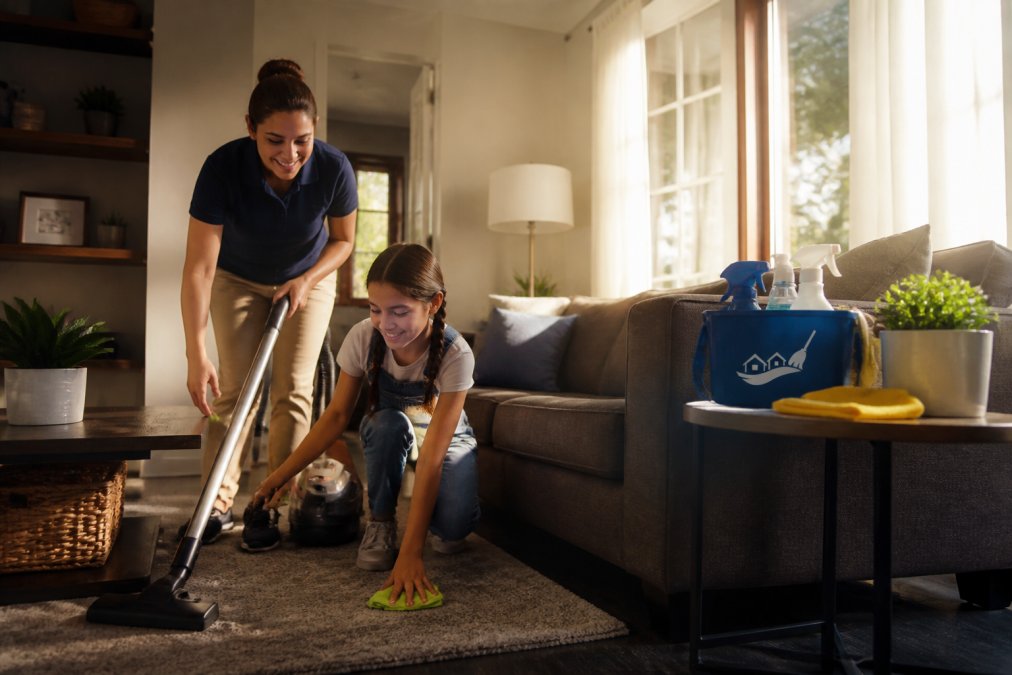
Daily habits prevent weekly tasks from becoming overwhelming. A 15-minute evening tidy, dishes, countertops, visible clutter, makes your weekly cleaning session significantly shorter. Consider these weekly tasks the baseline for a functional home:
- Vacuuming high-traffic areas (living room, hallways, bedrooms)
- Bathroom surface cleaning (sink, toilet, mirrors)
- Kitchen countertop and stovetop cleaning
- Dusting surfaces in living areas
- Mopping kitchen and bathroom floors
- Changing bed linens
A busy family can complete these tasks in 2-3 hours on a weekend morning if tackled systematically. Batch similar tasks together: clean all bathrooms before moving to the kitchen. Vacuum all carpeted areas in sequence. Assigning specific tasks to family members accelerates the process significantly.
Monthly Deep Cleaning Priorities
Monthly deep cleaning addresses areas that weekly maintenance misses. Prioritize based on your home's actual needs:
- Baseboards and door frames
- Inside refrigerator and microwave
- Oven interior and range hood
- Windows and window sills
- Behind and under furniture
- Grout cleaning in bathrooms and kitchens
- Light fixtures and ceiling fans
Spread these tasks across the month rather than attempting them all at once. Deep clean one area per week to keep any single session manageable.
Essential Cleaning Tools and Supplies That Work
Quality tools make an enormous difference in both time required and results achieved. Cheap tools require more effort, deliver worse results, and need frequent replacement. Investing in proper equipment pays for itself quickly.
Microfiber Cloths and Dusting Equipment
Microfiber cloths are the single best investment for dusting and surface cleaning (peer-reviewed research). They capture dust far more effectively than cotton cloths because of their microscopic fiber structure. Purchase microfiber cloths in bulk, at least a dozen, and use different colors for different areas to prevent cross-contamination. Wash them in warm water without fabric softener, which clogs the fibers.
For high surfaces and ceiling fans, a microfiber duster with an extendable handle prevents awkward reaching. The Miele Classic C1 Cat & Dog Canister Vacuum Cleaner includes a Mini Turbo Brush specifically designed for pet hair removal and works effectively on upholstered surfaces and hard-to-reach areas.
Disinfecting and Sanitizing Solutions
The right cleaning solution depends on your surface type and the grime you're addressing. For bathroom soap scum and hard water stains, foaming cleaners like Scrubbing Bubbles Mega Shower Foamer work effectively because they cling to vertical surfaces and dissolve buildup. Let it sit for 5-10 minutes before scrubbing.
For general disinfection and tougher stains, Clorox Clean-Up Cleaner + Bleach kills 99.9% of bacteria and viruses (the CDC). However, avoid using on natural stone, certain metals, and some fabrics. Always test on an inconspicuous area first.
For environmentally conscious households, Blueland Multi-Surface Cleaner offers an effective non-toxic alternative. The dissolvable tablets reduce plastic waste and provide a safe option for homes with children and pets.
Vacuuming and Surface Maintenance Gear
Your vacuum is the most-used cleaning tool in most homes. The Dyson V15 Detect represents the premium cordless option with laser detection technology that illuminates microscopic dust on hard floors. For homes with significant pet hair or allergies, the Miele Classic C1 Cat & Dog Canister Vacuum Cleaner offers exceptional filtration and specialized pet hair removal tools, capturing 99.99% of microscopic particles (the NIH).
The Roborock Flexi Lite combines wet and dry cleaning capabilities in a single self-propelled unit, eliminating the need for separate vacuuming and mopping equipment.
Deep Cleaning Checklist for Homeowners
Deep cleaning addresses the grime and buildup that routine maintenance misses. The difference between routine maintenance and deep cleaning comes down to dwell time. Routine cleaning removes surface dirt. Deep cleaning allows solutions to break down stubborn grime, hard water deposits, and soap scum that accumulate over weeks or months.
Kitchen Deep Cleaning Tasks
Clean the oven interior by applying a suitable cleaner and allowing it to dwell for several hours or overnight. The extended contact time lets active ingredients break down baked-on food and grease. For stovetop grates, soak them in hot water with degreasing solution to loosen buildup before scrubbing.
The refrigerator interior accumulates spills and odors requiring periodic deep attention. Remove all items, take out shelves and drawers, and wash them separately. Wipe down all interior surfaces with a damp cloth, paying special attention to corners and crevices.
For microwave interiors, fill a microwave-safe bowl with water and a few lemon slices, microwave on high for 5 minutes, and let it sit for 2 minutes. The steam loosens splattered food, making it easy to wipe away.
Bathroom Sanitation and Grout Cleaning
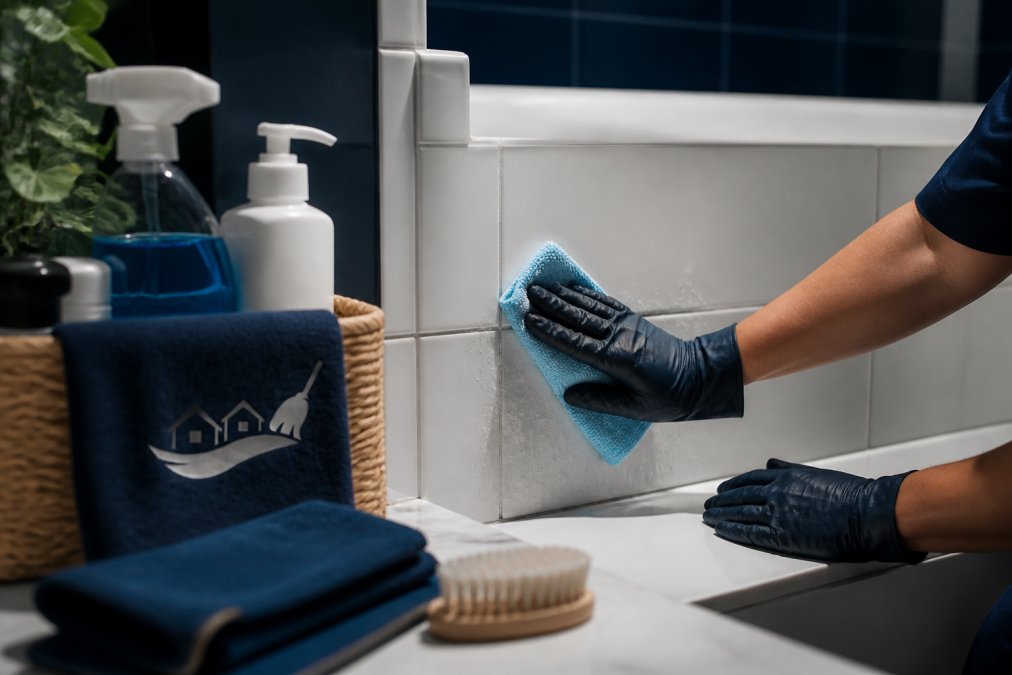
For grout, apply a suitable cleaner and allow it to dwell for 10-15 minutes. Scrub with a stiff brush to dislodge buildup. For stubborn stains, baking soda mixed with water creates a gentle abrasive paste that cleans effectively without damaging grout.
Scrubbing Bubbles Mega Shower Foamer works effectively on tile and clings to vertical surfaces, allowing active ingredients to break down soap scum and mineral deposits. For hard water stains on glass shower doors, white vinegar applied directly works effectively. Allow it to sit for 15-20 minutes before scrubbing and rinsing.
Removing Stubborn Stains and Grime
For organic stains (food, wine, blood), cold water works better than hot, which can set the stain. Treat immediately if possible, as stains become progressively harder to remove as they set.
For mineral deposits and hard water stains, acidic solutions work effectively. White vinegar, lemon juice, or commercial lime-removal products dissolve mineral buildup. Allow the solution to dwell for 15-30 minutes depending on severity.
For greasy stains, degreasing solutions work more effectively than general-purpose cleaners. Allow adequate dwell time, as rushing the process reduces effectiveness.
How to Get Your Full Security Deposit Back
Understanding move-out cleaning standards determines whether you recover your full security deposit or lose money to cleaning charges. Professional-level cleanliness at move-out prevents disputes and unnecessary financial loss.
Move-Out Cleaning Standards
Move-out cleaning differs from routine maintenance because it addresses the entire home in its current condition. Landlords expect the property returned in the same condition as when you moved in, excluding normal wear and tear.
All surfaces should be free of visible dirt, dust, and grime, including baseboards, door frames, light switches, and ceiling fans. Walls should be clean and free of marks, with scuffs removed using Magic Erasers.
Bathrooms require particular attention. Grout should be clean and free of discoloration. Shower walls and doors should be free of soap scum and mineral deposits. Toilets should be thoroughly cleaned, including under the rim. Mirrors should be streak-free.
Kitchens demand comprehensive attention. Appliance interiors should be clean, refrigerator shelves, oven interior, and microwave interior. Countertops should be clean and free of stains. The stovetop should be thoroughly degreased.
Floors throughout the home should be thoroughly cleaned. Carpets should be vacuumed completely, including corners and under furniture. Hard floors should be cleaned and dried with no streaks or residue visible.
Documentation and Inspection Readiness
Before your move-out inspection, photograph the entire property in clean condition. These images provide documentation if disputes arise. Request a walkthrough inspection with your landlord or property manager before you move out completely. This allows you to address any concerns they identify.
Keep receipts for any professional cleaning services you hire. If your lease requires professional carpet cleaning, documentation proves you met that requirement. Maticulous Cleaning offers move-out deep cleaning services designed specifically to meet landlord expectations and maximize security deposit recovery.
Time-Saving Cleaning Hacks and Efficiency Strategies
Efficiency in cleaning comes from working smarter, not harder. The most effective efficiency strategy is prevention through maintenance. A home that receives consistent upkeep requires significantly less total cleaning time than one that's neglected for weeks.
Batch Tasks by Location
Grouping similar tasks by location reduces mental switching costs and physical movement. Instead of dusting one room, then mopping another, then cleaning bathrooms, complete all dusting throughout the home in one session. Then complete all mopping. Then handle all bathrooms.
This batching approach keeps your supplies in one location longer and maintains focus on a single type of task. Your brain becomes efficient at that specific activity, and you work faster with practice.
Maintenance Prevents Deep Cleaning Overload
Consistent maintenance prevents the situation where cleaning becomes overwhelming. A home that receives weekly attention never reaches the point where deep cleaning becomes necessary. Daily habits prevent weekly tasks from becoming overwhelming. Wiping down countertops after meals, putting items back in their places, and dealing with spills immediately prevents accumulation.
Weekly vacuuming of high-traffic areas prevents dirt from becoming embedded in carpet fibers. Regular bathroom surface cleaning prevents mold and mildew growth. Regular kitchen cleaning prevents grease buildup. The psychological benefit of a consistently clean home also matters, a maintained space feels manageable and supports mental clarity.
Deep Clean vs. Routine Maintenance: What You Need to Know
Understanding the difference between routine maintenance and deep cleaning prevents you from either neglecting your home or over-investing effort in unnecessary work.
Routine maintenance keeps a home functional and presentable. It removes visible dirt, prevents obvious clutter, and maintains basic hygiene. This work prevents deterioration and maintains the home's appearance for daily living.
Deep cleaning addresses the buildup that routine maintenance doesn't reach. It tackles grout stains, oven interiors, behind appliances, and other areas that accumulate grime over weeks or months. Deep cleaning requires specialized attention, longer dwell times for cleaning solutions, and often more intensive scrubbing.
Most homes benefit from routine maintenance weekly and deep cleaning monthly. This combination prevents the home from becoming neglected while avoiding excessive work. The frequency depends on your household's activity level; homes with children, pets, or high traffic may require more frequent attention.
The investment in professional cleaning services makes sense for deep cleaning tasks that are physically demanding or require specialized knowledge. Maticulous Cleaning provides deep cleaning services designed to address the buildup that routine maintenance misses, allowing homeowners to maintain a pristine environment without the physical demands of deep work.
Keeping your home clean and well-maintained requires a realistic approach that matches your actual lifestyle. The cleaning tips for homeowners outlined here provide a framework for consistent results without overwhelming effort. When deep cleaning or move-out standards exceed what you can manage yourself, professional services ensure your home receives the thorough care it deserves. At Maticulous Cleaning, our team brings meticulous attention to detail and reliable service to transform your living space into the clean, well-maintained home you want to come back to. Contact Maticulous Cleaning for a customized cleaning plan and discover how professional cleaning services can support your home maintenance goals.
Frequently Asked Questions
What is the most efficient way to clean a house?
The most efficient approach is top-down cleaning methodology: start at the top of each room (ceiling, light fixtures, shelves) and work downward to floors. This prevents dust and debris from settling on already-cleaned surfaces. Combine this with room-by-room execution and batch similar tasks together, vacuuming all carpeted areas at once, then mopping all hard floors. This reduces setup and cleanup time and maintains momentum throughout your cleaning session.
How do I create a realistic cleaning schedule that works for busy families?
Divide tasks into weekly routines and monthly deep cleaning. Weekly tasks include vacuuming high-traffic areas, wiping kitchen countertops, sanitizing bathroom surfaces, and dusting frequently touched items. Monthly deep cleaning targets grout, baseboards, inside appliances, and window treatments. Assign specific days to specific rooms to avoid feeling overwhelmed. For busy families, consider dedicating 15-30 minutes daily to maintenance rather than marathon weekend sessions, which prevents grime buildup and makes deep cleaning less intensive.
How can I get my full security deposit back when moving out?
Landlords expect move-out homes to meet 'normal wear and tear' standards. Focus your cleaning on removing all personal items, deep cleaning the kitchen (degreasing appliances and cabinets), sanitizing bathrooms (including grout), and addressing any stains or residue. Vacuum all carpets and mop hard floors thoroughly. Document your work with photos before vacating. If stains or damage exceed normal cleaning, professional move-out cleaning services can ensure you meet deposit return requirements and provide documentation of the work completed.
What cleaning products should I use for disinfecting and sanitizing?
Disinfecting and sanitizing products kill bacteria and viruses on surfaces. Bleach-based cleaners like Clorox Clean-Up are effective for hard, non-porous surfaces in bathrooms and kitchens but produce strong odors and aren't suitable for all materials. Foaming options like Scrubbing Bubbles work well on soap scum and bathroom grime. For eco-conscious homeowners, non-toxic alternatives like Blueland tablets dissolve in water and are EWG Verified for safety around children and pets. Always allow adequate dwell time (the contact time the product needs to work) before wiping surfaces clean.
What tools do I absolutely need for effective home cleaning?
Essential tools include a quality vacuum (canister or cordless models like the Dyson V15 Detect excel at pet hair and dust detection), microfiber cloths for dusting and streak-free cleaning, a mop or wet/dry vacuum for hard floors, and a toilet brush. Microfiber cloths are superior to traditional cloths because they trap dust and grime more effectively without chemical buildup. For homes with pets or high-traffic areas, invest in equipment that handles both dry debris and wet spills efficiently to reduce cleaning time and improve surface maintenance.
How often should I deep clean specific areas like bathrooms and kitchens?
Bathrooms and kitchens benefit from monthly deep cleaning due to moisture, grease, and bacteria exposure. This includes scrubbing grout, degreasing stovetops and range hoods, cleaning inside ovens, and disinfecting all surfaces. High-traffic areas and spaces around sinks need attention more frequently. Routine weekly maintenance, wiping counters, sanitizing sinks, and spot-cleaning surfaces, reduces the intensity of monthly deep cleaning sessions and prevents grime buildup that becomes harder to remove over time.
Can professional cleaning services handle cluttered or messy homes?
Professional cleaning services can work with cluttered spaces, though organization may affect pricing and thoroughness. Before a professional visit, it's helpful to declutter surfaces and move items so cleaners can access all areas. Services like move-out cleaning are specifically designed for homes in various states of disarray. If your home is significantly cluttered, communicate this upfront so the service can allocate appropriate time and resources. Many homeowners find that combining decluttering with professional deep cleaning creates the best results and maintains long-term home organization.
This article was written using GrandRanker